
Modern Slavery in Private Markets: From statements to meeting supply chain management expectations
by Dean Alborough
View post
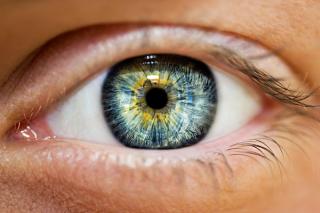
Assessment of toxicological hazards and risks to the visual system is about much more than irritancy and/or corrosion. Exposure to visuotoxic (toxic to the visual system) chemicals and drugs, including in the workplace, can result in adverse effects that may initially go unnoticed and/or without clinical signs or symptoms. Damage to these systems can result in immediate and long-term delayed effects on mental health, physical health, and job safety and performance. Visuotoxicity can lead to increased occupational injuries, workplace safety concerns and reduced ability to perform common workplace tasks. It can also be progressive, and in some cases, irreversible.
There are about 300 chemicals that are known to be toxic to the retina, the optic nerves and/or the central visual system[1]. Toxicological effects on the visual system can include changes in colour perception (dyschromatopsia), changes in visual acuity, changes in contrast perception, reduced ability to focus, damage to the lens, Saku disease and abnormal oculomotor movements. Examples of visuotoxic chemicals and industrial processes that can damage the visual system include many commonly used solvents and other hydrocarbons, paints and coatings, alcohols, metals and mineral ores as well as welding arcs and other sources of intense ultraviolet radiation. A wide range of pharmaceuticals can also cause adverse effects on the visual system.
Adding to the challenge of preventing visuotoxicity is the fact that these effects are often not fully assessed in depth in typical animal-based toxicology testing programs. Common screening methods such as clinical observations and functional observational battery assessments in toxicology studies are often insufficient to fully assess the impact of a chemical or drug on the visual system. For example, the risk of dyschromatopsia cannot be adequately evaluated in commonly used test species since these species lack retinal cone cells.
SLR has a cross-disciplinary team of toxicologists, human health risk assessors and industrial hygienists who can fully inform you regarding hazards and risks to the visual system. Our experts also collaborate with a specialist neuro-ophthalmologist, when performing these types of assessments. Our toxicology and risk assessment team can also advise on the visuotoxic hazards and risks of your new chemical or pharmaceutical as well as design, implement, monitor and interpret appropriate testing studies. SLR can also support regulatory submission in relation to visuotoxic testing.
To discuss further, please contact Rhian.
-------------------------------
References
[1] Retinal and visual system: occupational and environmental toxicology