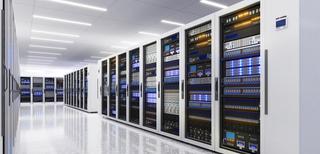
Data centre backup power may be temporary, but its air quality impacts aren’t
by Ben Turner
View post

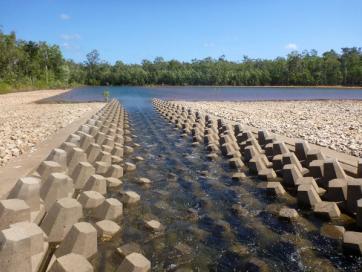
Our specialist freshwater ecologists provide cost-effective fish passage assessment services for all types of waterway barrier works, ensuring practical solutions that are aligned with regulatory requirements.
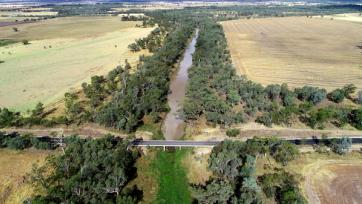
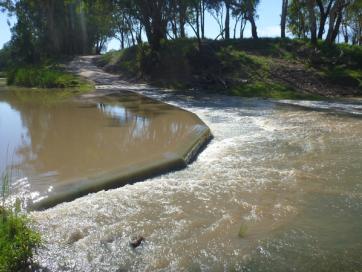
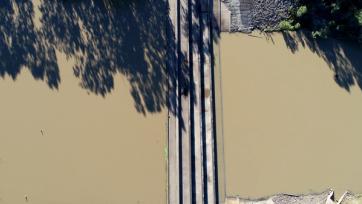
A waterway barrier is infrastructure that impacts fish passage in a waterway. Barriers can negatively impact fisheries resources and aquatic biodiversity by disrupting connectivity between fish breeding and feeding grounds, and can prevent fish from finding refuge (e.g. permanent waterhole during dry season or drought). Waterway barrier works include weirs, culverts, bed-level crossings, levees and bunds, and temporary installations, such as working platforms and silt curtains.
The Planning Act 2016 provides the framework for land use planning and development assessment in Queensland. The State Planning Policy, an instrument under the Planning Act 2016, identifies 17 state interests, including ‘waterways that provide fish passage’. ‘Waterways that provide fish passage’ are also a Matter of State Environmental Significance under the Queensland Environmental Offsets Regulation 2014.
Some types of waterway barrier works are considered ‘accepted development’, depending on the type and design of the infrastructure, and the characteristics of the waterway. However, where proposed development potentially impacts a matter of state interest, development is assessed against the State Development Assessment Provisions, with State Code 18 relating to waterway barrier works. Further assessment using the Significant Residual Impact Guidelines may also be required.
Waterways throughout Queensland are mapped by the State (the default mapping), and also include features that meet the State definition of a waterway.
Our team offers suitably qualified and experienced fisheries biologists and aquatic ecologists, and the credibility and expertise developed over 3 decades of practice. We can assist with:
If you would like to discuss further, please get in touch